Images
Critique 2 Office Furniture as Research Objects
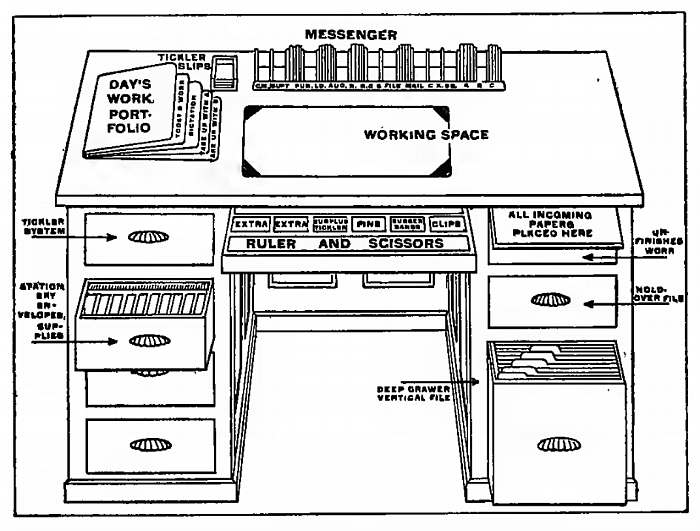
The Modern Efficiency Desk
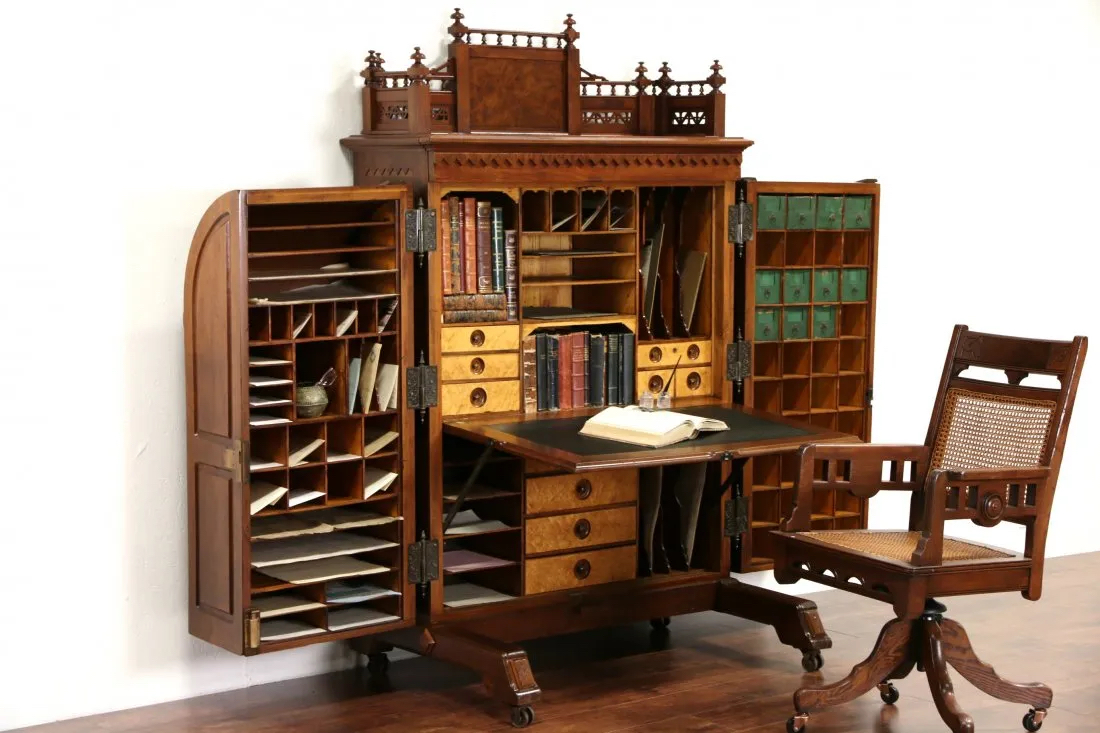
The Wooten Desk for Office Secretary
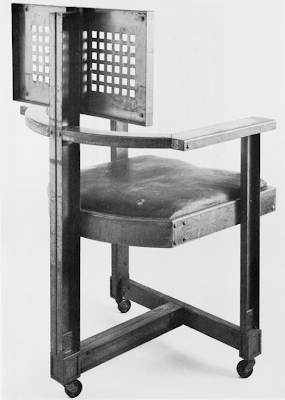
The Larkin “Suicide Chair”

Chair Johnson’s Wax Company, 1937
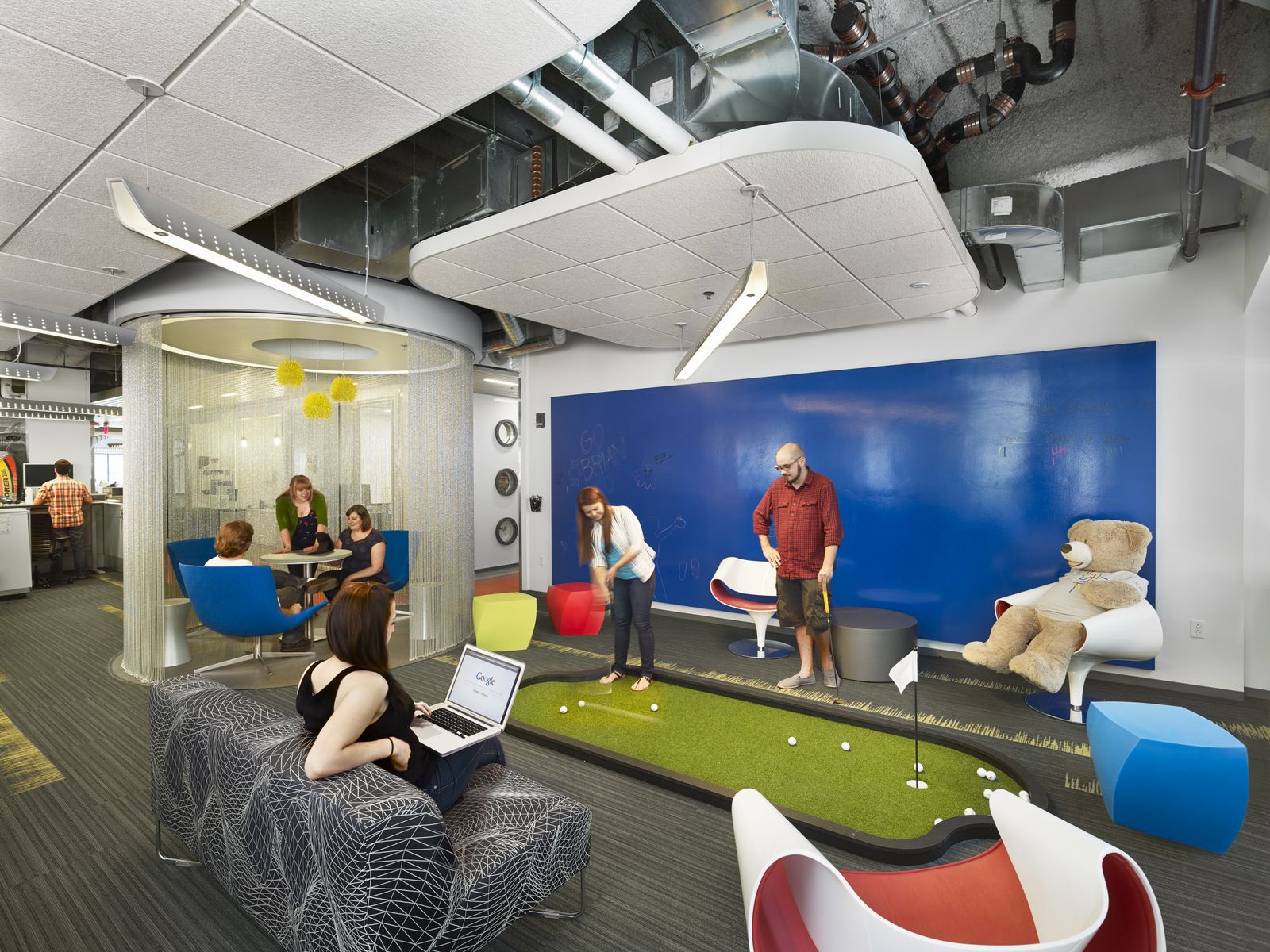
Google’s office
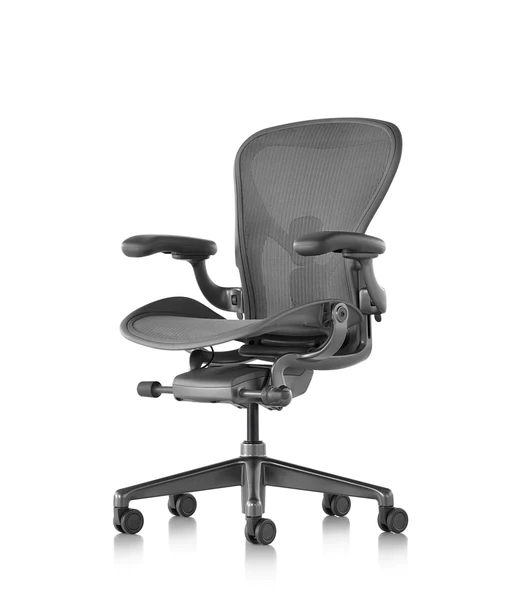
Aeron Chair

Anti-Aerons Workstation
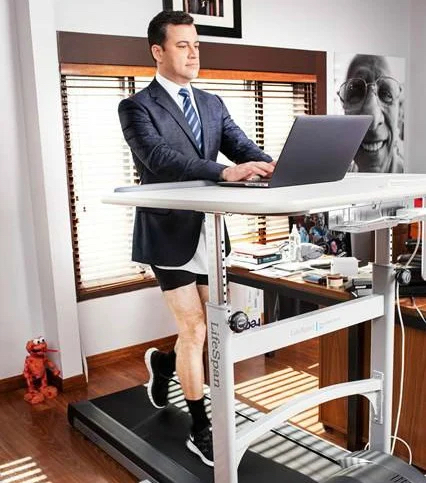
Treadmill Desk made by Lifespan
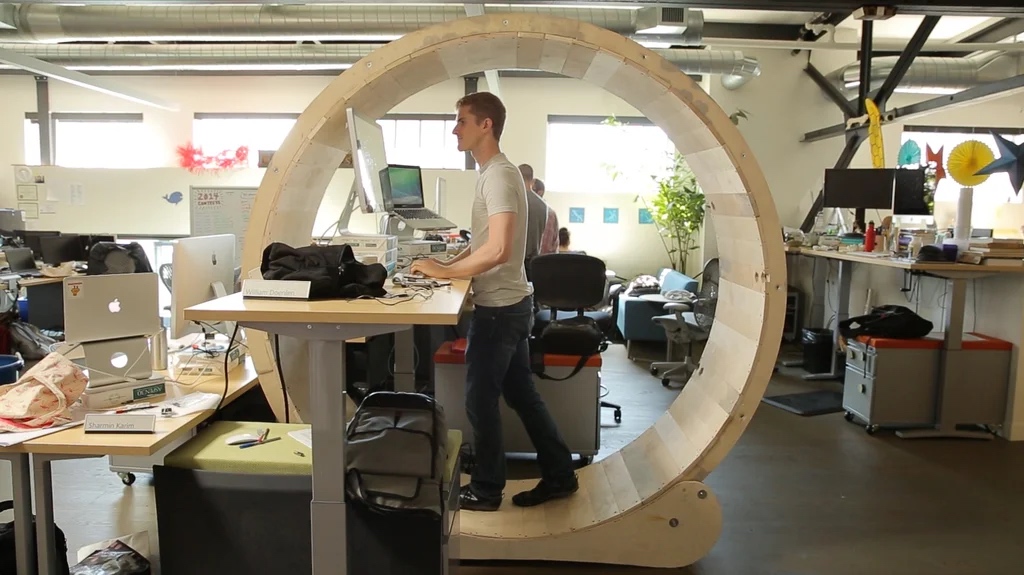
Hamster Wheel Standing Desk
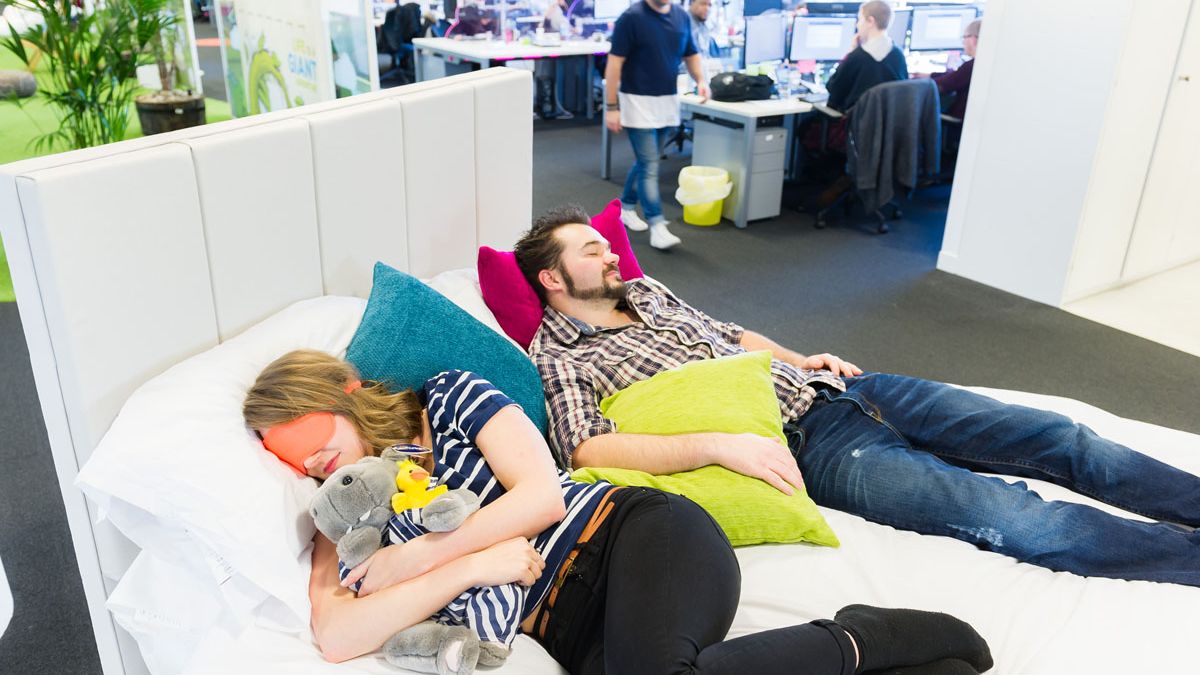
The double bed in the office
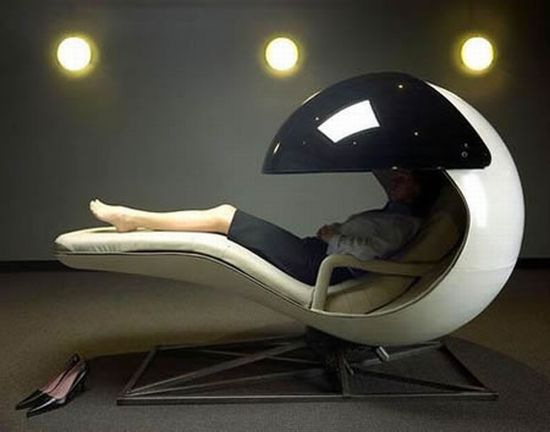
EnergyPod
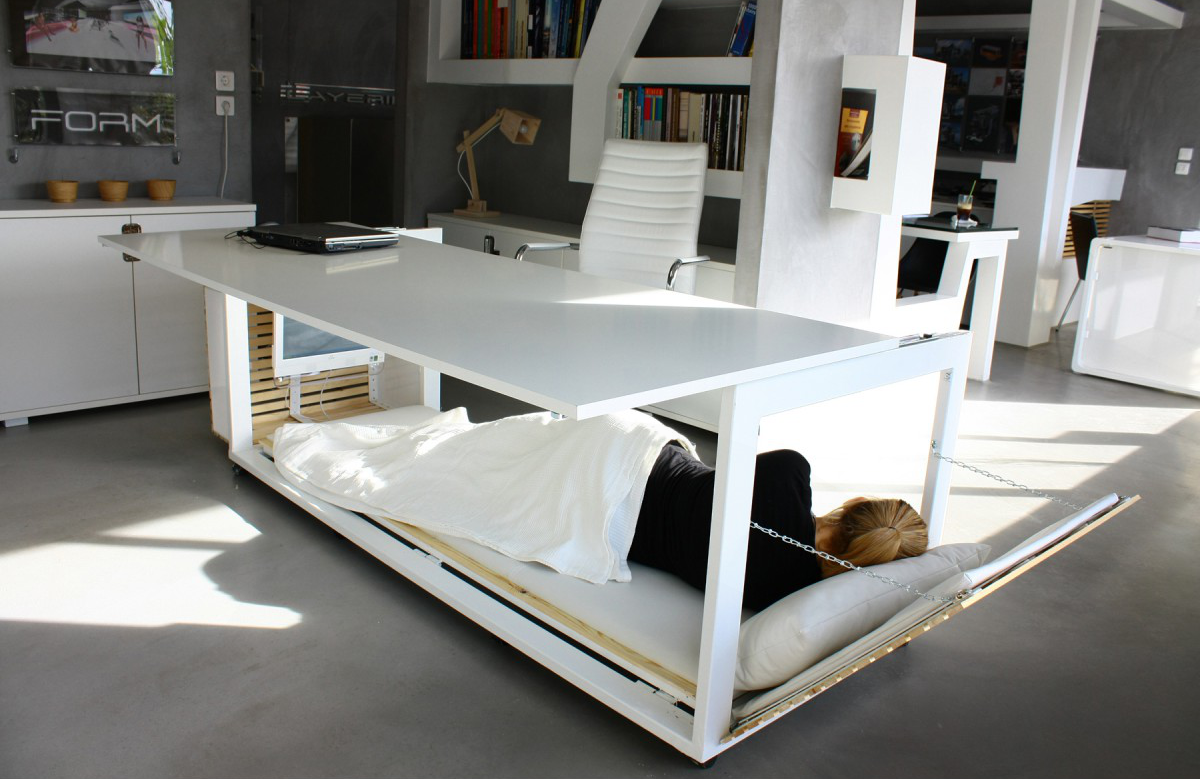
1,6 s.m. of life
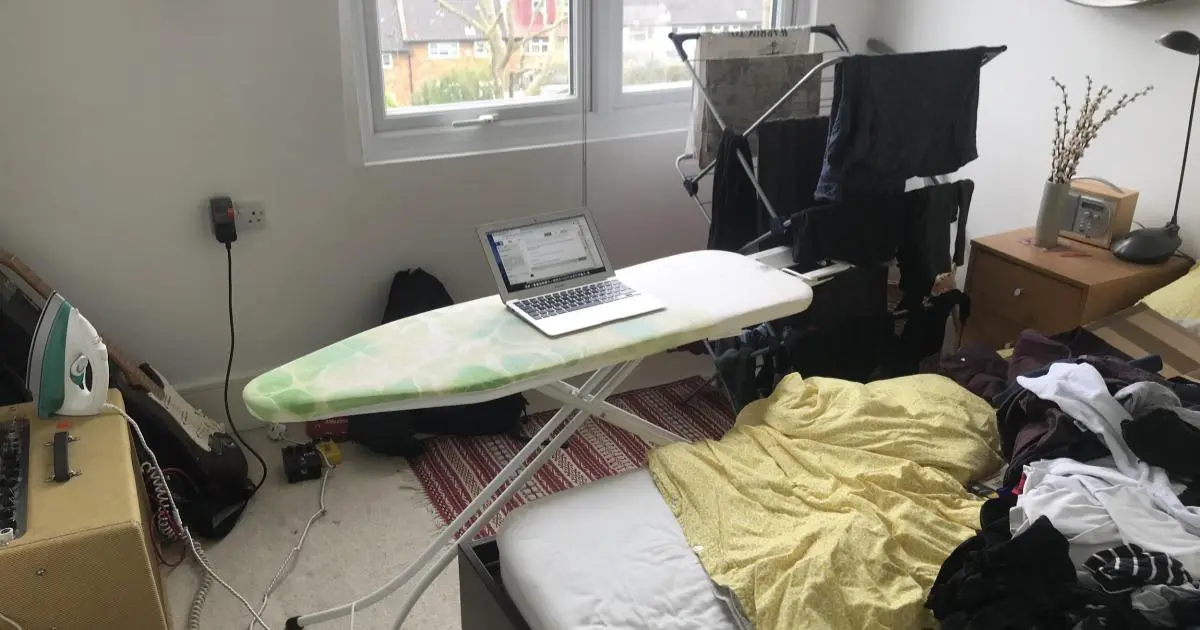
Using an ironing board instead of desks
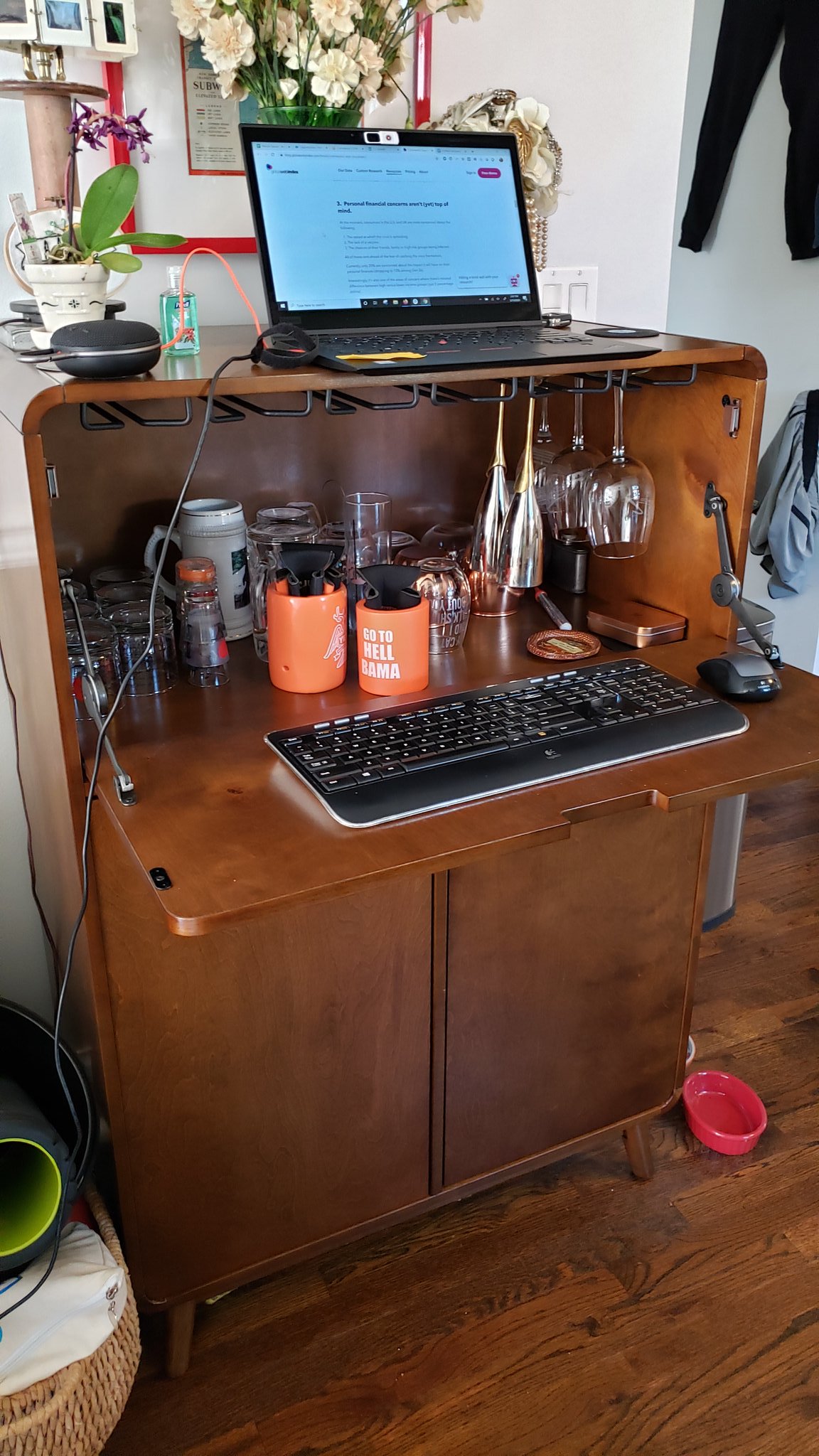
@patrickgipson post on Twitter
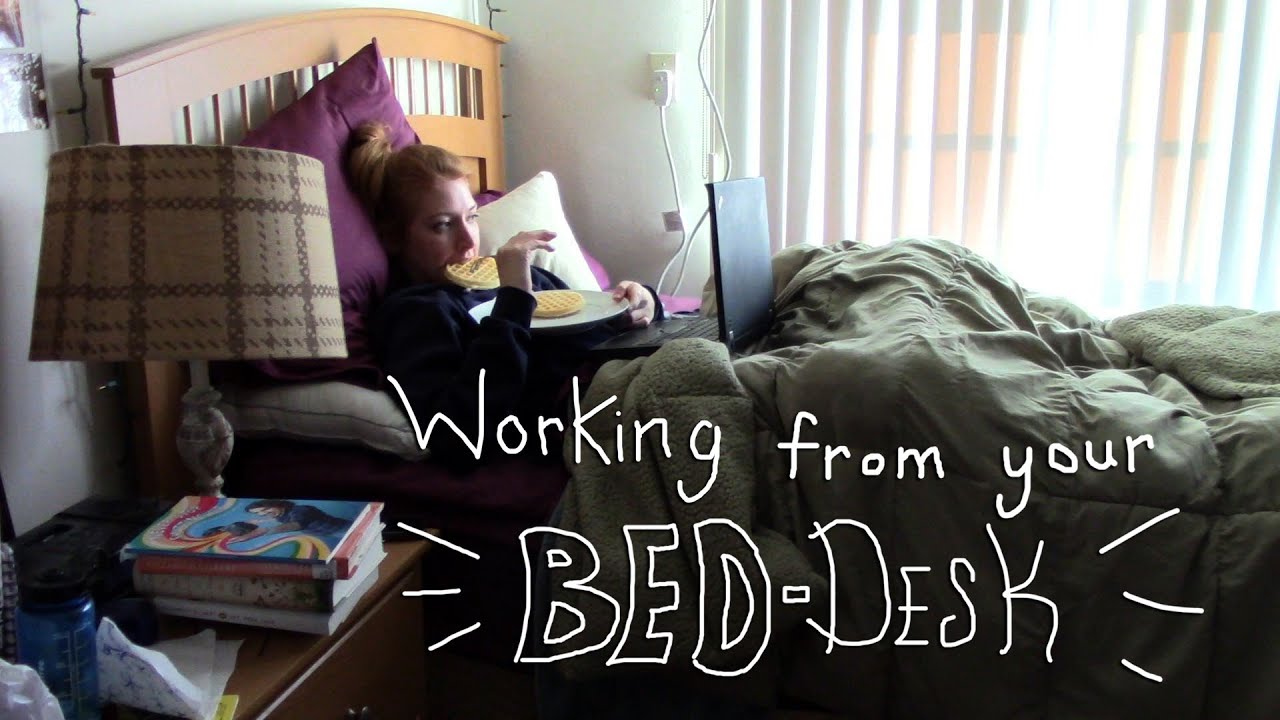
Linda Barsi post on Youtube
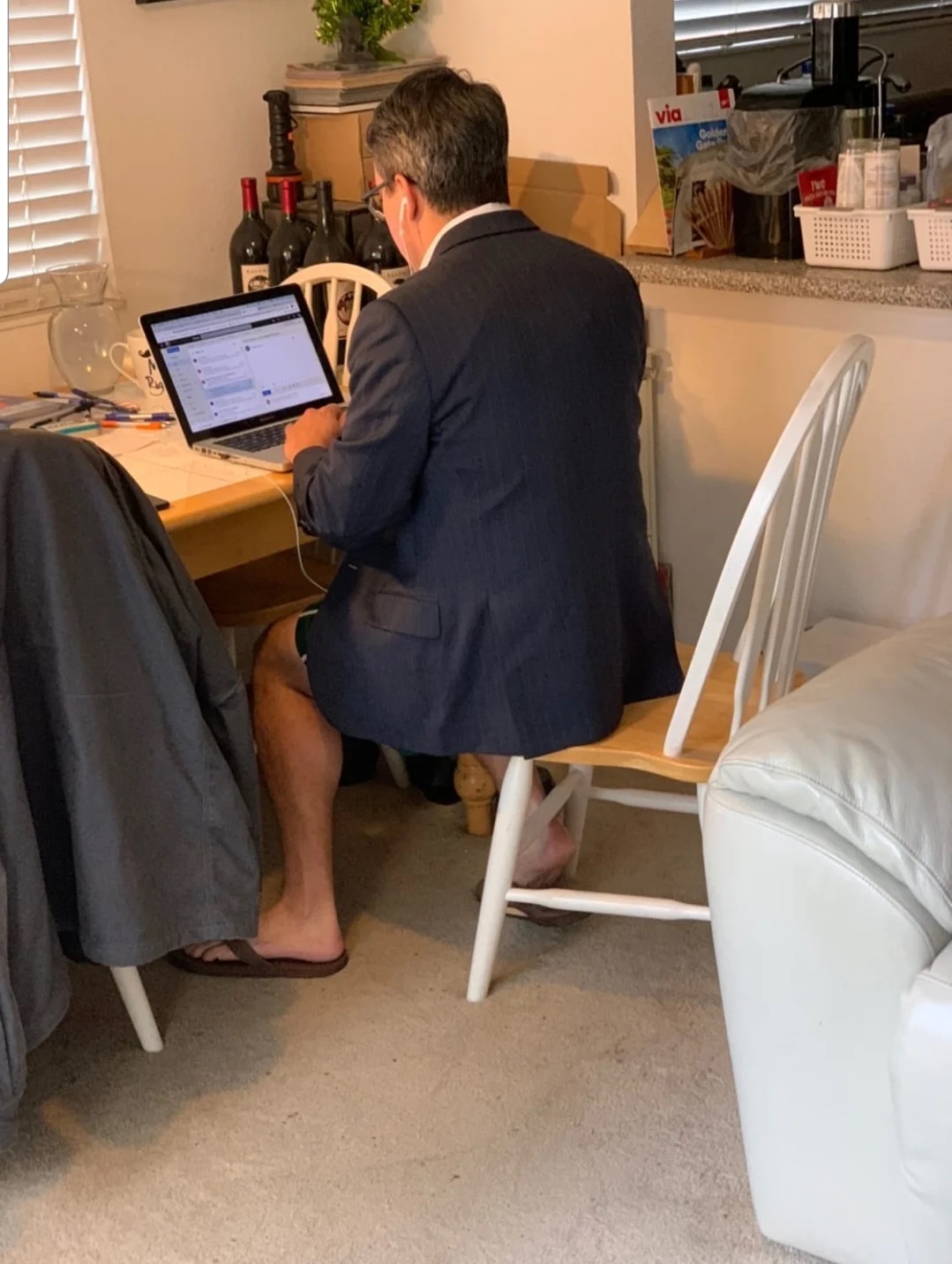
Michael Lindquist post on Twitter
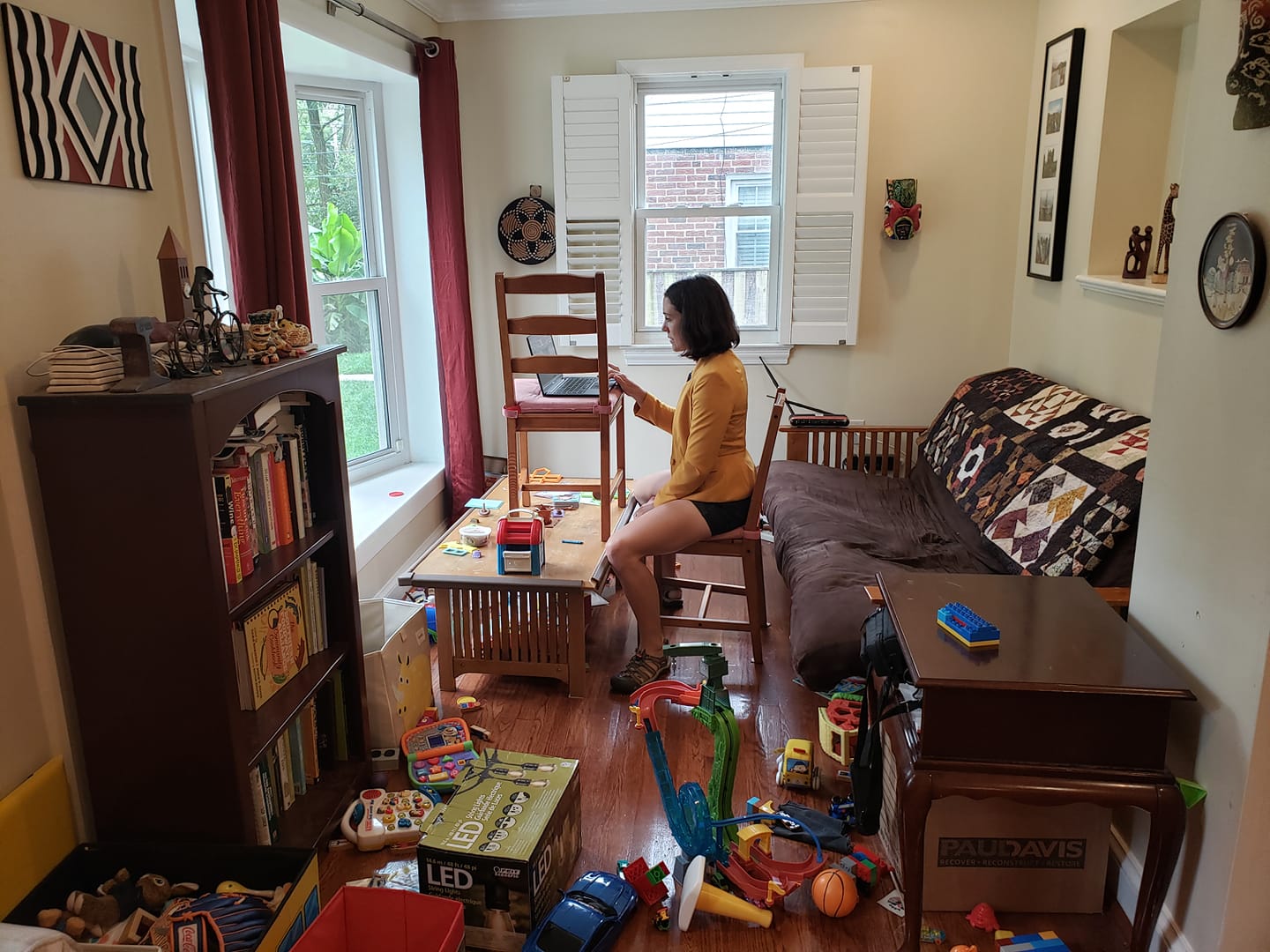
Gretchen Goldman post on Twitter
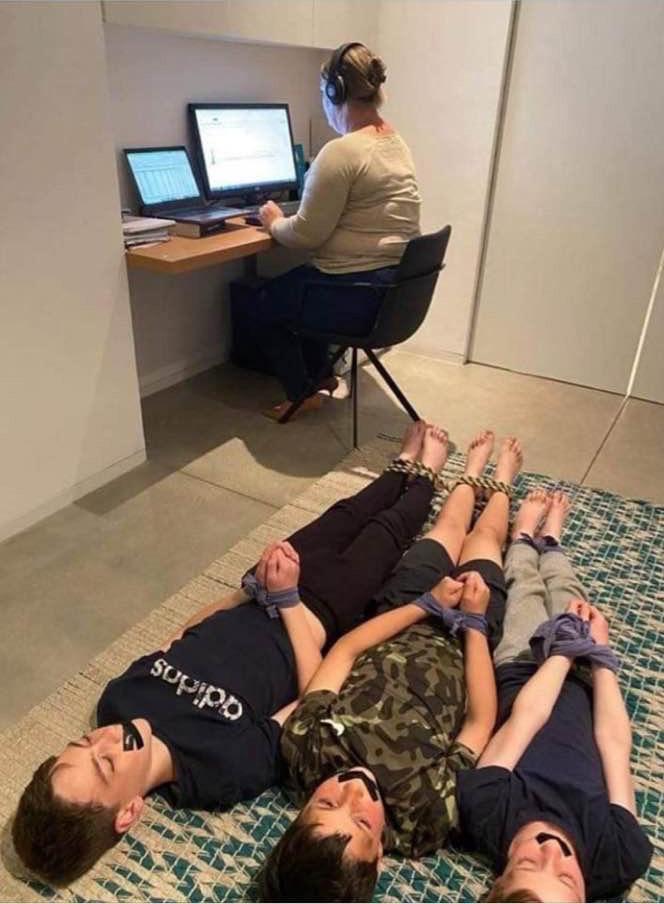
Meme from Reddit
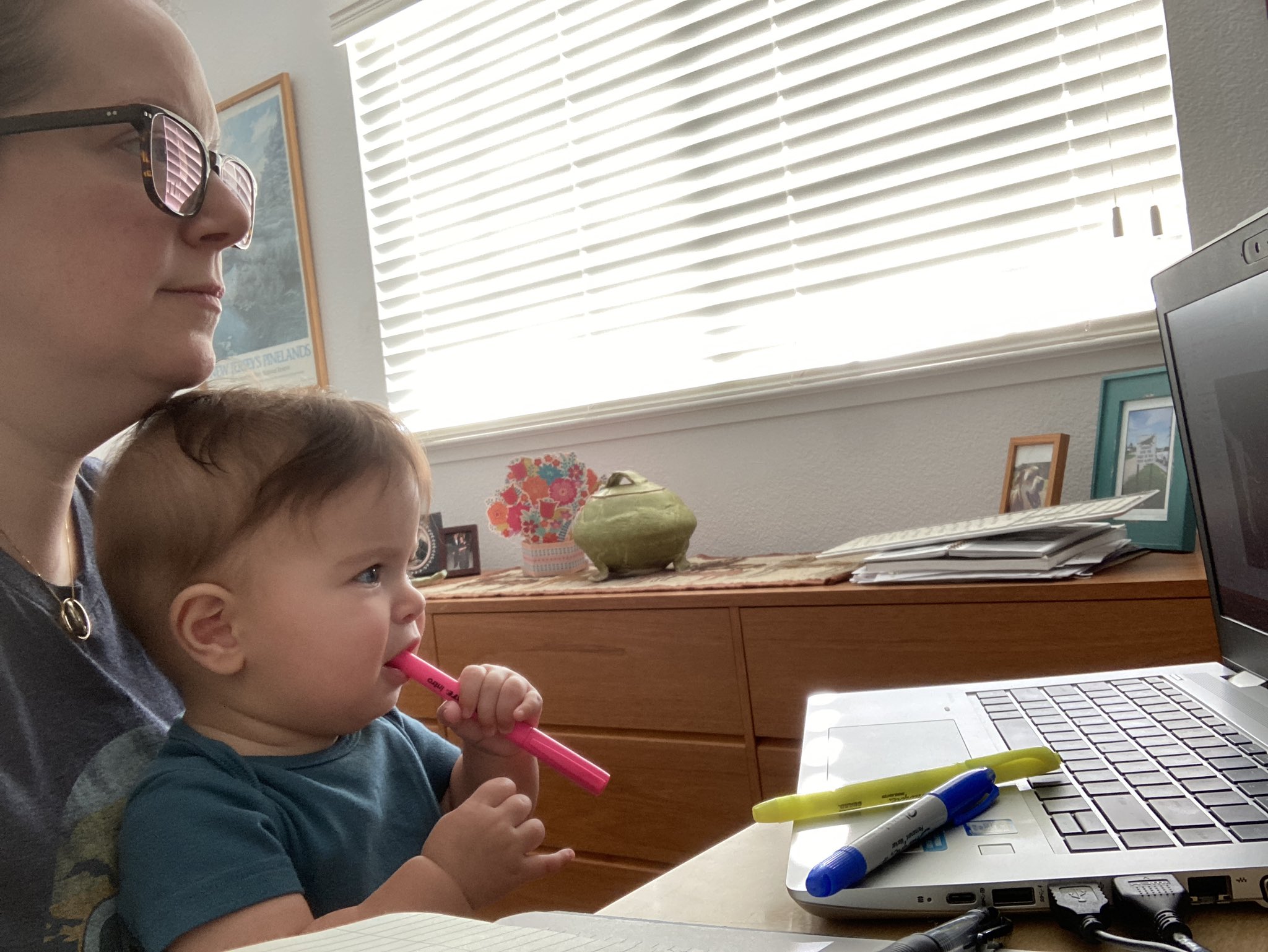
Christina Toms post on Twitter
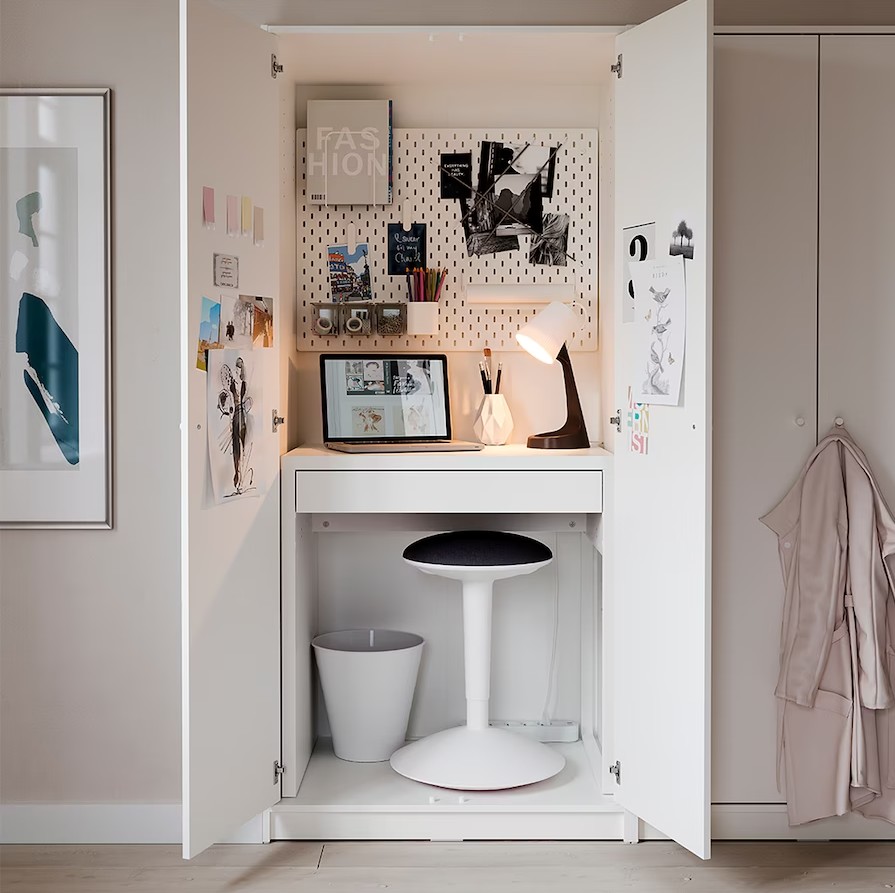
Home office idea from IKEA
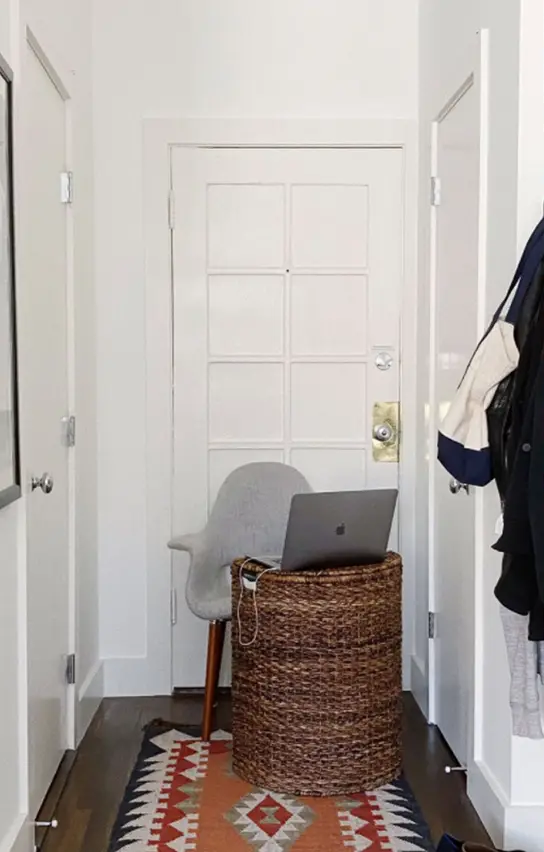
Online meeting in the corridor
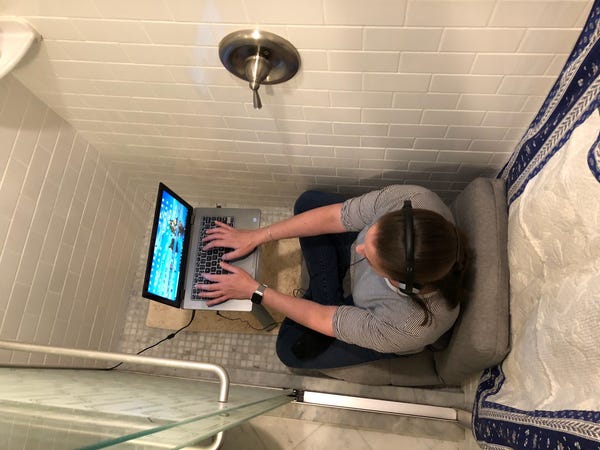
Working in the bathroom
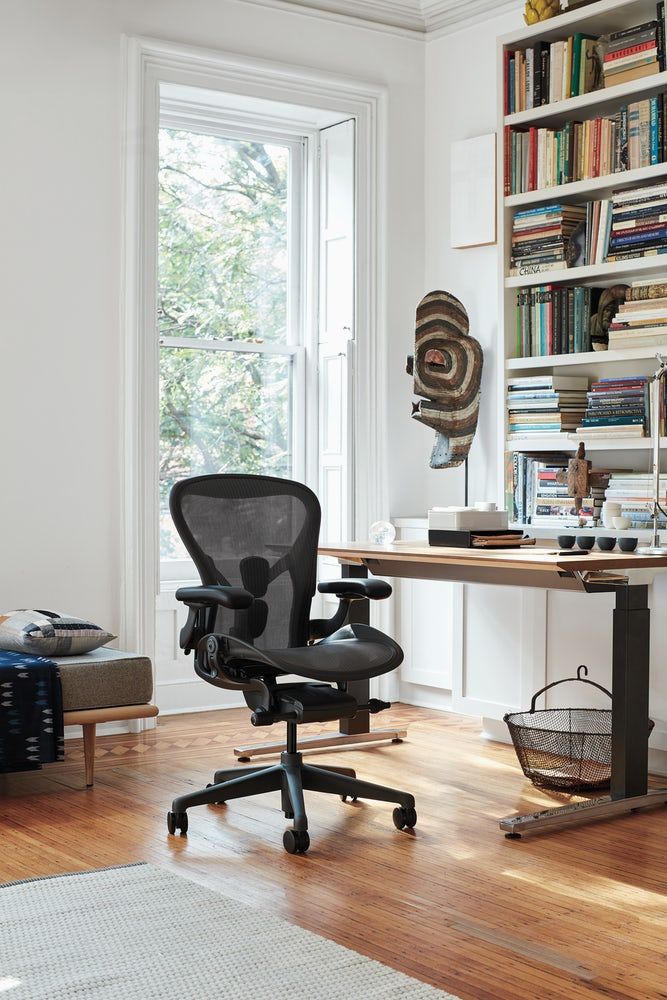
Ad showing Aeron Chair in the home
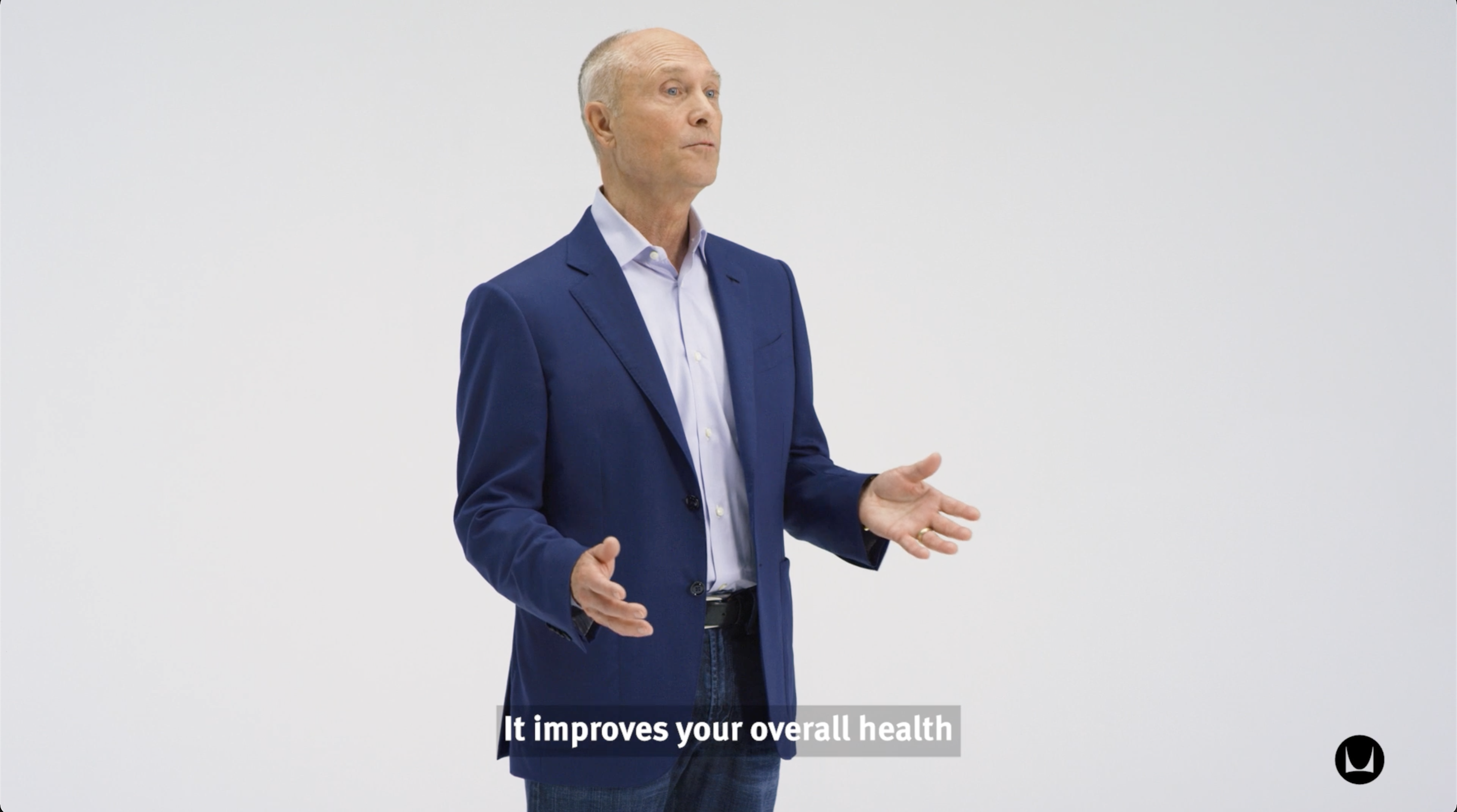
Herman Miller’s advertisement
Critique 3 Design Practice as a Way of Critique
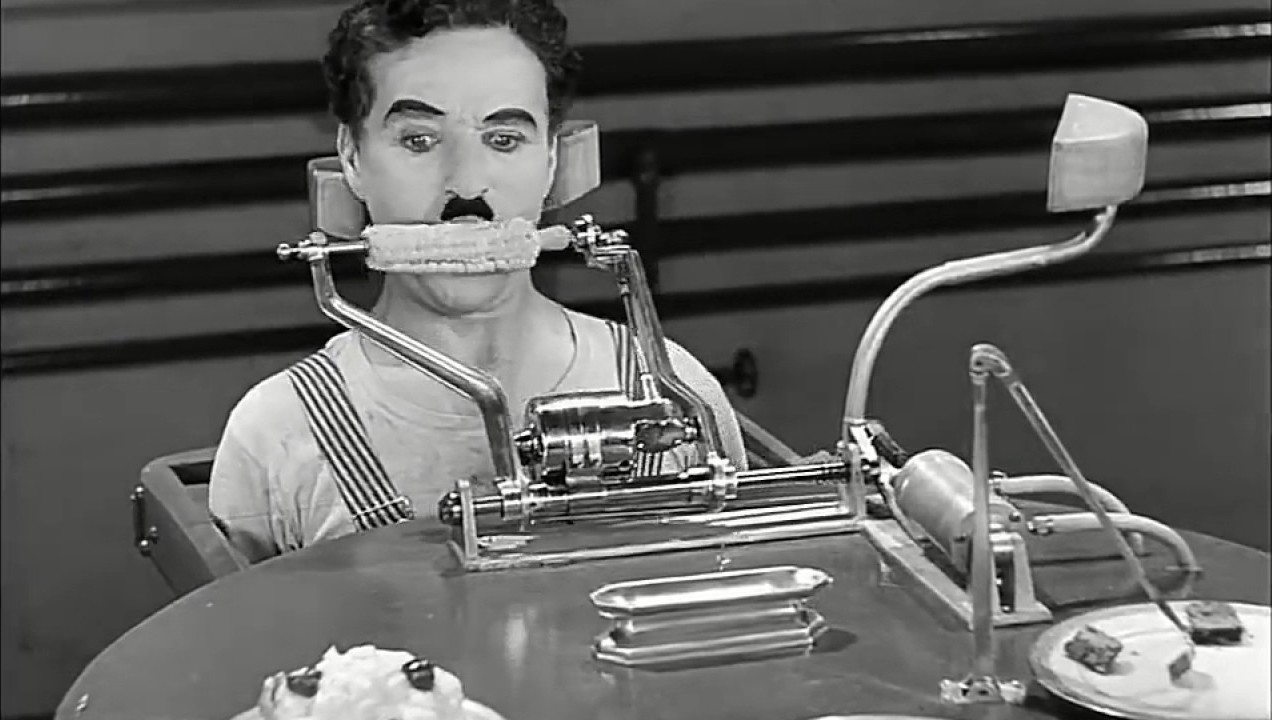
The Feeding Machine
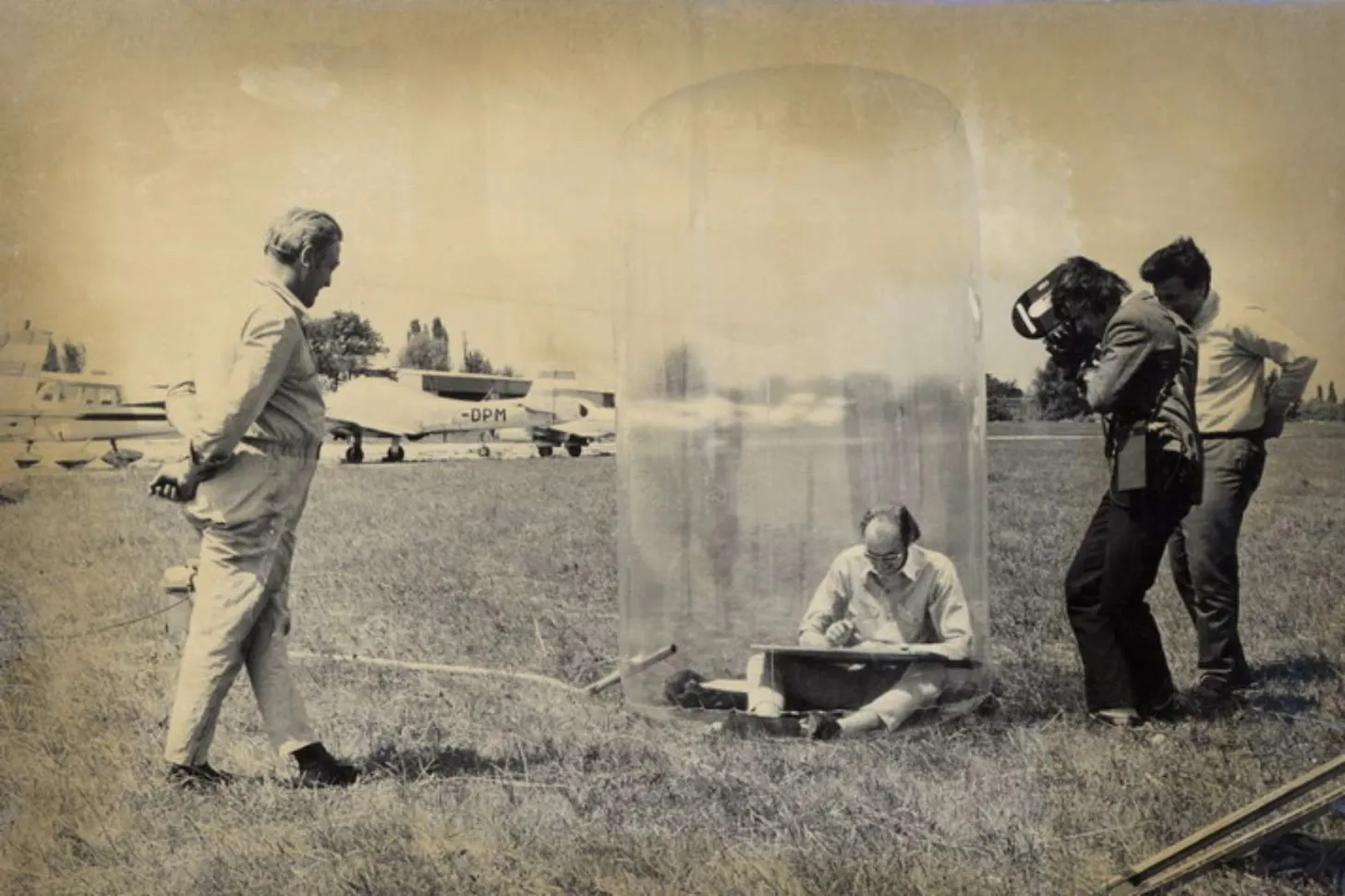
The Mobile Office
Slow Car
Concluding Statement
This paper aims to reflect on the impact of technology, furniture, and places on human behaviour at work and explore how the boundaries between work and life gradually disintegrate. One after another, an office experiment was conducted, from the typist's suicide chair to the Silicon Valley playground, and now the testing ground has arrived at the home. Some people enjoy convenience and freedom, while others get stuck in a rut and suffer physical or mental distress. As the boundaries between work and life disappear, personal struggle and effort can no longer regain the balance between them. Excessive use of instant messaging software, pressure from digital presenteeism, and surveillance of usage data on work platforms have made them digital labourers who are online almost 24/7. But these stresses from working from home have given ergonomic furniture a new business opportunity. They trumpet in caring terms that the scientific technology in their products can support a prolonged but healthy sitting, enticing tired bodies to move this office throne into their own homes or even bedrooms. However, ergonomic chairs do not address the root of the problem and even promote a toxic hustle culture in the home office.
In the face of the increasing encroachment of work on our lives, we need to reflect on whether the products we buy for our home offices are meant to be more beneficial to our lives or whether we are purchasing new shackles to enslave ourselves. Is the life portrayed in the advertising of these products attainable? Through design practice, I wanted to inspire the audience to rethink, to change their over-reliance on the functionality of product design, and to make them realise that when faced with the abyss of work stress, simply buying healthy products and furniture can only ease the pain for a while. We need to build a more humane work culture and respect for everyone's personal life.
Critique
Design Practice as a Way of Critique
As analysed in the previous chapter, the design of office furniture responded to working modes to help managers extend working hours and influence the behaviour of employees' behaviour. Even these novel design experiments and technological product developments have affected people's values about work and life. This is precisely what mainstream design seeks to do, always keeping up with technological developments, aiming to solve existing problems and launching these products into the market for sale. The benefits of the products are constantly advocated by businesses, advertising agencies, and even designers, with the ultimate goal of achieving the product's commodity success. The reflection involved is hidden when the design is associated with practicality and commitment to production. It is essential to realise that even the most subtle design cannot always lead to the proper consequences. Many designs with faith in "solutionism" focus on the consequences of the current situation instead of dealing with the causes of a particular problem. Such a phenomenon can be described as "Western Melancholy".Mitrović, 2018 Like the design of the ergonomic chair, it only superficially relieves employees' back pain but fundamentally fails to address the sedentary work mode. This risk is even accelerated because the technology and design of ergonomic chairs can support more extended periods of sedentary inactivity.
What should be the response of design in the face of technological developments? Can design be used not to solve problems but to expose them? Can design be used only to express our confusion? Many of today's design methods are no longer dedicated to solving problems and putting them into production. Design can also be a means of research or critique. Design as Research tends to identify problems in complex contexts rather than solve them. Design practice can connect imagination to reality, present an aesthetic of unreality and achieve a particular impact.Dunne and Raby, 2014 It is free from the shackles of capital and commerce so that it can be pie-in-the-sky, one-sided, ironic, and naive. It has its distinctive tone to mediate or re-examine the technological, economic, political, social, cultural, etc., that has become the norm at the moment.
There are three examples of design practices in film, architecture and product design that responded to specific working modes in those periods through their works.
The first is a thought-provoking prop called the "Billows Feeding Machine" in Modern Times, invented to eliminate the lunch hour Fig 3.1. Its advertising slogan is "Don't stop for lunch: be ahead of your competitor." The worker using this feeding machine is like a product on an assembly line, simply opening his mouth and swallowing food. However, the machine suddenly goes out of control and frantically rubs the worker's mouth with a corn cob. Compared to the design work itself, which will not give the consequences of its use, the film uses a humorous plot to explain the implications more straightforwardly to communicate the anxieties of the loss of individual agency in the age of mechanisation and automation.Leland, 2013 As opposed to the commercial product design, which puts into production that dresses itself up as impeccable, it deliberately creates a broken prop for critiquing the robbery of leisure time by work and the deprivation of control of the body by machines.
As the Feeding Machine does, it is not used to solve a problem but to demonstrate the apprehension that technological developments bring. At the same time, design practice can also imagine the disruptive impact of technology on a particular product. In 1969, Hans Hollein re-imagined the format of the office Fig 3.2. Benefiting from the development of communication devices, telephones and typewriters made it possible for us to work away from fixed office cubicles and in a space and time of our choosing. This inflatable, transparent plastic space as a mobile office, isolated from the outside, contained a typewriter, a telephone, and a drawing board inside, in which Hans Hollein sat for a 2-minute television performance. Although with the limitation of technology of the time, a telephone in a mobile office would not have been available. But more than the practicality of the design, it was as "a medium of communication" Hollein, 1968 that predicted a possible future.
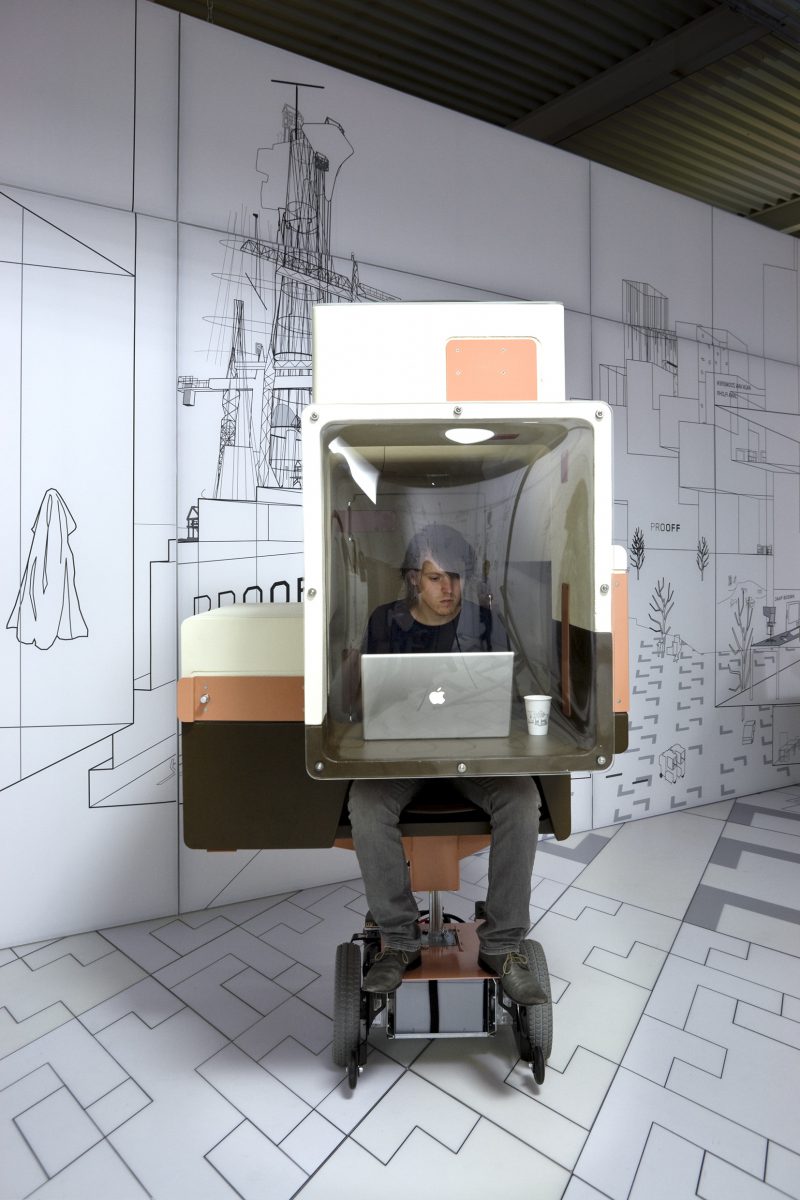
In 2006, the work called Slow Car Fig 3.3 by Studio Makkink & Bey reflected on the impact of wireless networks and wireless devices on the form of office. To eliminate useless commuting time, they installed wheels onto office chairs, making them the world's slowest car that can take employees elsewhere but continue working while on the road.Makkink and Bey, 2006 This speculative design blurred the functions of transport and office simultaneously, even abolishing the need for people to use their legs to walk. Given that this Slow Car is stable enough to work in and tiny enough to go anywhere, is there a reason for the office to exist? This has been the most frequently discussed question in the history of the office's evolution since the Internet's development. Bey has designed the possibility of things and shows it visually through furniture design. Although the user can't drive the car and work simultaneously, its design asks us whether we are making progress or sacrificing by using our commuting time and even our mobility time for work. It also imagines a possible future, even though this future has already been replaced by remote work.
The design practice in this study will critique the current overworked lifestyle and the marketing of products that consumption as a means of solving problems. The aim of the research is not to find a solution to the problem to have the best of both worlds but rather to place the problem in the context of 'an illuminated world without shadows' and to make people rethink the form of their homes and offices and the boundaries between life and work. I will design a new product as a prop with a specific aesthetic to distance them from product design in reality to express ideas and stories. And the 'Western melancholy' that the product carries can show the insoluble gaps highlighted in solving a problem. At the same time, the product as a prop can be used as an approachable and eye-catching entry point to invite people into the context and scenario I am discussing. But the aim of this design practice is not to solve problems or even deliberately not to solve them. Thus, it is through this new product that the contradictions that can never be reconciled in the context of working from home are visualised.
Dunne, A. and Raby, F. (2014) Speculative everything. MIT Press.
Hollein, H. (1968) Everything is architecture. Tokyo, Japan: Sezon Museum of Art.
Leland, J. (2013) Fast, Cheap, and Out of Control: Modernists Go Off-Menu, The Paris Review. Available at: https://www.theparisreview.org/blog/2013/01/02/fast-cheap-and-out-of-control-modernists-go-off-menu/ (Accessed: 2022).
Makkink, R. and Bey, J. (2006) Slow Car, Studiomakkinkbey.nl. Studio Makkink & Bey. Available at: https://www.studiomakkinkbey.nl/list/products/4050_slow_car (Accessed: 2022).
Mitrović, I. (2018) ”Western Melancholy“ / How to Imagine Different Futures in the ”Real World“? | interakcije, interakcije | speculative design educational platform. University of Split. Available at: https://interakcije.net/en/2018/08/27/western-melancholy-how-to-imagine-different-futures-in-the-real-world/#rf3-2509 (Accessed: 2022).
Critique
Office Furniture as Research Objects
First, make the office feel like a home — if anything, the real home.J.G.Ballard
When offices first appeared, office furniture was just an efficiency tool. In 1915, the Modern Efficiency Desk Fig 2.1 was a landmark invention in office furniture, which significantly improved efficiency, borrowing the ideas of scientific management and replacing the Wooton Desk for Office Secretary Fig 2.2, which was used before 1920 like a pigeonhole, combining a double-door cabinet and a desk into one. The desk reduces the original cavernous storage space to just a few drawers on either side of the desk, with the precise classification of the documents to be stored in each drawer. The desk is very tidy, and in addition to the empty working space waiting to be worked on efficiently, there are also different areas for messages on the sides of the desk, all of which have minimal space, so that staffs have to deal with the new messages in time to avoid overwhelming their desks with papers.
In that period, the form of the office chair was also different from the comfort and suitability for long work hours desired today. They made three-legged chairs to keep typists awake and alert, initially placed in the Larkin Building and jokingly called suicide chairs Fig 2.3. Thirty years later, Wright borrowed this design to create a lighter three-legged chair for the Johnson Wax Company Fig 2.4. This, he argued, would allow employees to fix their two legs firmly to the floor to achieve chair stability and improve concentration and productivity. V&A Museum, 2001
At that time, the office was just the office. All office furniture was designed to increase efficiency and for employees to finish their work day as quickly as possible. Although there were anti-human and uncomfortable products, this reflected the separation of work and life. Work did not need to be comfortable; focus, convenience, and speed were what was sought at the time. And home was where comfort and rest were found.
As technology developed, the demand for work increased, and the competitive relationship between people grew. 8 hours of work became uncontrollable. In addition to efficient work, long hours of non-stop work have also become what companies expect their employees to do. This expectation has changed the format of the office as well as the furniture, especially with the rise of internet companies, which are transforming offices into homes.
Silicon Valley was the birthplace of an office uprising. They built the office like a playground, offering football machines, basketball frames, a gym, and a swimming pool Fig 2.5. Employees can take a meal allowance, enjoy three meals in the canteen, and work flexible hours according to their habits.van Meel and Vos, 2001 But at the same time, these network companies often work around the clock in keeping with the Internet's never-ending model. Setting up the office as a playground instead seems like a trick by the management to keep the employees captive in the office and make them feel that it is more like their home and that the longer they stay in it, the better.
To satisfy this need to work long hours, these companies buy whole ships of expensive Aeron chairs Fig 2.6 to minimise their employees' physical exhaustion, making them willingly trapped in their work.Saval, 2015 The advent of the ergonomic chair seems to mean that the hours of work at the moment are more than people's spines can handle. The breathable mesh backrest appears to have become the external back of the employees, supporting long, non-stop working hours with as few breaks as possible.
The design of the Aeron Chair was taken from the La-Z-Boys used by elderly people in nursing homes to support elderly people with weak legs to semi-recline in the seat for long periods. They realised that young people working in offices had similar needs to these elderly people and needed all-around back support to provide comfort and take their minds off the pain of long working hours. Since then, the Aeron has become a design classic as a throne tailor-made for the vanity of Silicon Valley.Kuang, 2012
However, due to the growing complications of sedentariness, several anti-Aerons products have also become popular in Silicon Valley, such as the standing desks that can be seen everywhere in the interior photos of Google. One or two yoga balls can be found under each desk to replace the office chairs. Even some people started work on Treadmill desks Fig 2.7 to "eliminate movement from the office" and avoid the health problems associated with long periods of sitting Fig 2.8.Maheshwari, 2013 Godshaw created the Hamster Wheel Standing Desk with fellow maker Will Doenlen.Peters, 2014 This is an even bolder product, where he puts a human into a giant wooden running wheel and installs a desk on which a computer can be placed, creating the Hamster Wheel Standing Desk Fig 2.9, which allows a human to keep running while working like a rodent.Godshaw, 2014 But whether it's the practical standing desk, the treadmill desk that has become a fixture in Silicon Valley, or the roller that makes you run like a hamster, the irony is that no matter how much we crave exercise and avoid being sedentary, we can't stop working.
Furthermore, the bed has also been moved from the bedroom to the office. The Manchester-based company has placed huge double beds in their offices to provide a comfortable sleeping environment for dozing employees Fig 2.10.Murphy, 2016 Google's office in California has been equipped with $12,985 light-blocking chairs called EnergyPod designed by Metronaps Fig 2.11. Employees who take a nap feel like they have entered a space capsule where they are protected from noise and light.Stolzoff, 2018 There are also conceptual designs that make one reflect on this mode of working. The bed-desk hybrid is the brainchild of Studio NL, named 1,6 s.m. of life Fig 2.12. The bed is placed in a small space under the desk, so tired employees can nap at any time, solving the problem of low productivity caused by fatigue. The designer, Athanasia Leivaditou, says the table will not go into production. It's more of a statement than a practical solution. "It's meant to show how much of our lives we spend on work.' Strutner, 2015
Before the demise of the office, the boundary between work and life was dissolved in these 'new economy' offices. It is one of the most intense workplaces in the world, not because they work all the time, but because these acts of life have invaded work and stretched it out indefinitely. While sitting at a computer desk for 16 hours, these employees still feel "free". These companies give them a culture of freedom, autonomy, and self-reliance, allowing them to believe that work is about self-fulfilment, not others. In The Time Bind, Arlie Russell Hochschild shows how a company's culture allows its employees to experience family life satisfaction. In contrast, life in companies will encompass family life and allow them to spend more time in the office than at home.Hochschild, 1997
When everyone enjoys working in offices where they seem like a warm and welcoming home created by the companies, COVID-19 upset this seemingly good illusion. So when everyone was confined to isolation in their homes, how did their demands for a home office change, and how have they met their demands?
This section will analyse how employees rearranged furniture or objects in their homes to adapt to working from home to find out what dilemmas they faced and how this reflected the growing imbalance between work and life.
Since the spread of COVID-19, employees have been trapped in their homes and have had to be restricted to their rooms. Many people are not prepared for this sudden shift and don't have an area suitable to work extra long hours. But considering that creating a professional ergonomic work area requires not only an adequate budget but also plenty of space, some of them make use of existing furniture at zero cost to adapt work-ready corners, for example, by using an ironing board instead of a standing table Fig 2.13, a shelf as a multi-level desk Fig 2.14, a pillow to support the lumbar instead of an ergonomic chair, or directly lying on the bed to work Fig 2.15.Torres, 2020
When the workspace invades the house in an unstructured and erratic way, spaces like the home become cramped and chaotic, and people living there must constantly switch from work and life modes. Some people wore decent clothes on top and pyjama trousers on the bottom Fig 2.16, collapsing back into bed as soon as the video conference was over. Some people had all their belongings piled up in their rooms, except for one wall that served as a backdrop for online meetings Fig 2.17. Some people worked late at night without a regular commute, reversing their hours around the clock. Some have severe insomnia, also known by experts as "coronasomnia" or "Covid-somnia".Bhat and Chokroverty, 2022 Some living with families had to keep an eye on them, which distracted their attention from work Fig 2.18. Many people were used to seeing children suddenly appearing in the windows of meetings Fig 2.19. These demonstrate the disappearance of the work-life boundary that comes with bringing work home.
People are always finding ways to rebuild their work-life boundaries, but all the ideas seem helpless or powerless when mobile devices have become office tools. IKEA suggests a table and chair can be placed in a small bedroom closet as a home office Fig 2.20.Redaktion, 2020 This enclosed space becomes the only way to create boundaries for work and life - shutting work into the closet and, like people living in the 19th century, locking the roll-up curtain on the desk when work is ended. But the constant ringing of message alerts would also come from the phone, and the real sense of ending work was no longer achievable. With ever-lengthening working hours, sleep has become a forced offline luxury.
When faced with the need to respond to messages and join meetings timely for the rest of the day, except for sleep time, a high-speed internet environment became as much of a home necessity as a pillow. "Network connectivity is the biggest pain." Microsoft Research surveyed Software Developers in April 2022 about the state of working from home, with some respondents saying that paying for an upgraded home internet connection to ensure internet speeds were expensive.Ford et al., 2022 A netizen complained of poor signals because her room was too far from the router, and she had to work in the corridor during online meetings Fig 2.21.
The other most challenging thing has been inefficient communication. "The standard communications/questions and general collaboration take about 2–3 times as long." Nichols, 2021 Therefore, endless meetings were infinitely squeezing all the gaps in the whole day. Without regular lunch breaks, meetings have become prolonged and persistent. Younger workers, in particular, having little voice in the scheduling of their work, even lost their breaks to go to the toilet and eat Fig 2.22. The use of instant messages for work is also more frequent, which by default, digital presenteeism everyone needs to be responsive quickly. "I also feel like there is no “downtime” away from work. I constantly get emails/messages/asks, and sometimes I have to respond right away." Hughes, 2022
This Internet-based remote work has left no room for everyone to stop working, and every second is filled with instant messages. So, even at home, they must be trapped in front of their computers for long periods. The physical damage caused by sedentary work also affects the body working from home. Sofas, armchairs, dining tables, beds, and other seemingly comfortable places cannot support eight hours of sedentary work.Du, Iwakiri, Sotoyama and Tokizawa, 2022 Especially if they feel pressure and find it difficult to disconnect from the internet, they will be firmly tied to their chair with their PCs, and it seems that only an ergonomic chair can save them.Bridger, 2021
But today, the ergonomic chair has become the throne of the busy elite in the office, where it is out of place in the atmosphere of the home.Quito, 2020 Faced with severe body pain problems, it has a place at home. It looks forward to being consumed, waiting to be moved into the home Fig 2.23. The new demand for office furniture retail generated by working from home has been a boon to companies offering solutions such as ergonomic office equipment and ergonomic advice. The mass migration of white-collar workers from cubicles to their homes has created an unexpected opportunity for furniture manufacturers, whose customers have traditionally been companies rather than individual consumers. “Office chairs — they’re selling like hotcakes right now,” said Annette Bernat, a spokeswoman for the chiropractic association.Chang, 2021
In autumn 2020, against the backdrop of a global pandemic that led to the closures of thousands of retail stores, Herman Miller added two new concept stores to sell ergonomic office products into people's homes. At the same time, for the retailing of ergonomic chairs, the brand has changed its positioning accordingly, shifting to a kind of wellness and performance product.Campanelli, 2020 Debbie Propst, Herman Miller’s president for retail, said, “much in the same way that the mattress industry has driven this message around ‘There are all these benefits of getting a great night’s sleep,’ we have the same opportunity with the ergonomic seating category: Sitting is bad for you, but if you’re going to sit, you have to sit well.” Chang, 2021 As a result, they use slogans that link ergonomic chairs to terms such as health, efficiency, and success, such as " Now Get Stress-free, By Sitting On This" and "Creativity Needs Comfortable Chairs". In the advertisements, the science of the chairs is presented in the figure of an expert to create a sense of trust that ergonomics is the only way to relieve the physical discomfort of work Fig 2.24.
But all the furniture just scratches the surface and doesn't address the pain points. The ideal home office life advertised by the ergonomic chair is not achieved through a simple act of consumption. Instead, ergonomic furniture will delay the discomfort, making us work unconsciously over time. What restrains us is our 24-hour online digital identity. The more convenient the technology and software, the more we cannot escape our working state.
This imbalance between work and life is thus reflected in all areas of domestic life. As analysed in this section, we can see this imbalance in the ergonomic chair that sits at home, out of place in the atmosphere of the home, and also in the humble office area that people have built up by stacking objects. What needs to be reflected upon is our right to be brave enough to go offline rather than spend on expensive furniture or find some alternative ways to alleviate the physical pain caused by working overtime.
Bhat, S. and Chokroverty, S. (2022) “Sleep disorders and COVID-19,” Sleep Medicine, 91, pp. 253–261. Available at: https://doi.org/10.1016/j.sleep.2021.07.021.
Bridger, R.S. (2021) obesity | home working | hybrid working | sedentary work health risks, Britsafe.org. Available at: https://www.britsafe.org/publications/safety-management-magazine/safety-management-magazine/2021/get-up-off-that-thing/ (Accessed: 2022).
Campanelli, M. (2020) Why Herman Miller Opened Stores During a Pandemic, women in retail. Available at: https://www.womeninretail.com/video/why-herman-miller-opened-stores-during-a-pandemic/ (Accessed: 2022).
Chang, A. (2021) Working from home takes a physical toll — and companies are trying to profit from that, Los Angeles Times. Available at: https://www.latimes.com/business/story/2021-03-18/work-from-home-pain (Accessed: 2022).
Du, T. et al. (2022) “Computer and Furniture Affecting Musculoskeletal Problems and Work Performance in Work From Home During COVID-19 Pandemic,” Journal of Occupational & Environmental Medicine, Publish Ahead of Print. Available at: https://doi.org/10.1097/jom.0000000000002622.
Ford, D. et al. (2022) “A Tale of Two Cities: Software Developers Working from Home during the COVID-19 Pandemic,” ACM Transactions on Software Engineering and Methodology, 31(2), pp. 1–37. Available at: https://doi.org/10.1145/3487567.
Godshaw, R. (2014) Hamster Wheel Standing Desk, Instructables.com. Available at: https://www.instructables.com/Hamster-Wheel-Standing-Desk/ (Accessed: 2022).
Hochschild, A. (1997) “The Time Bind: When Work Becomes Home and Home Becomes Work.,” WorkingUSA, 1(2), pp. 21–29. Available at: https://doi.org/10.1111/j.1743-4580.1997.tb00019.x.
Hughes, O. (2022) Digital presenteeism is creating a future of work that nobody wants, ZDNET. Available at: https://www.zdnet.com/article/digital-presenteeism-is-creating-a-future-of-work-that-nobody-wants/ (Accessed: 2022).
Kuang, C. (2012) The Aeron Chair Was Originally Designed as the Perfect Seat for Granny, Slate. Slate Magazine. Available at: https://slate.com/human-interest/2012/11/aeron-chair-history-herman-millers-office-staple-was-originally-designed-for-the-elderly.html (Accessed: 2022).
Maheshwari, S. (2013) Treadmill Desks Make Inroads From White House Complex To Google, BuzzFeed.com. BuzzFeed News. Available at: https://www.buzzfeednews.com/article/sapna/treadmill-desks-build-street-tread-with-corporations (Accessed: 2022).
Murphy, S. (2016) Tired at work? This company installed a bed in the office for sleepy employees, mirror. Available at: https://www.mirror.co.uk/news/uk-news/company-installs-double-bed-office-7462867 (Accessed: 2022).
Nichols, G. (2021) Nights and weekends: Remote work may mean longer hours, lost liberty, ZDNET. Available at: https://www.zdnet.com/article/nights-and-weekends-remote-work-may-mean-longer-hours-lost-liberty/ (Accessed: August 12, 2022).
Peters, A. (2014) Can This Human Hamster Wheel Make You More Productive At Work?, Fast Company. Available at: https://www.fastcompany.com/3035981/can-this-human-hamster-wheel-make-you-more-productive-at-work (Accessed: 2022).
Quito, A. (2020) The chair every remote worker wants hasn’t been invented yet, Quartz. Quartz at Work. Available at: https://qz.com/work/1881536/whats-the-best-ergonomic-office-chair/ (Accessed: 2022).
Redaktion, A. (2020) Ikea: Tips til indretning af hjemmearbejdsplads | Magasinet Indretning, Magasinet Indretning. Available at: https://www.magasinet-indretning.dk/ikea-tips-til-indretning-af-hjemmearbejdsplads/ (Accessed: 2022).
Saval, N. (2015) Cubed. New York: Anchor Books.
Stolzoff, S. (2018) What would you pay to be able to nap at the office?, Quartz. Quartz at work. Available at: https://qz.com/work/1472710/metronaps-energypod-has-employees-napping-at-work/ (Accessed: 2022).
Strutner, S. (2015) Napping At Work Just Got Easier, HuffPost UK. Available at: https://www.huffingtonpost.co.uk/entry/bed-desk-napping-at-work_n_5602c470e4b0fde8b0d0a356 (Accessed: 2022).
Torres, M. (2020) 12 Of The Most Clever Work-From-Home Spaces Created In Quarantine So Far, HuffPost UK. Available at: https://www.huffingtonpost.co.uk/entry/clever-work-from-home-spaces-quarantine_l_5e90de76c5b6ad719f27b923 (Accessed: 2022).
van Meel, J. and Vos, P. (2001) “Funky offices: Reflections on office design in the ‘new economy,’” Journal of Corporate Real Estate, 3(4), pp. 322–334. Available at: https://doi.org/10.1108/14630010110811661.
V&A Museum (2001) Armchair | Wright, Frank Lloyd | V&A Explore The Collections, Victoria and Albert Museum: Explore the Collections. Victoria and Albert Museum. Available at: https://collections.vam.ac.uk/item/O56348/armchair-wright-frank-lloyd/ (Accessed: 2022).
Critique
Working from Home as Research Context
Remote work has not been a new term since the technology was developed using telephone lines as a network bridge in the early 1970s Byrd, 2021, but the home quarantine of COVID-19 Kaufmann, 2021 has given most people a taste of the remote working life of being out of the office and working from home.
According to the definition of remote work, they are individuals who use the information and communications technology to work online rather than being physically present in the company’s offices.Schlegelmilch and Lysova, 2018 The content management software, cheap Internet access through WiFi, smartphones, and Voice-over-Internet Protocol (VoIP) offer the office to package in their pockets to take home.Hayes, 2021 This is precisely the state of most people working from home during the pandemic, out of the office, and shifting all their work to online platforms such as zoom, slack, google drive, etc.Lund et al., 2022
Whether or not working from home is the ideal state for them to do their jobs, it has taught that working remotely is no longer an option for the few. It is viable in most jobs. Since 2020, some technology giants such as Facebook, Twitter, Microsoft, and Google have announced that employees can continue working remotely, even as the American government suspended strict home isolation restrictions.Stoller, 2021
Considering benefits, remote work represents a certain degree of freedom by removing time and space constraints in the office and allowing people to start working whenever and wherever they want while eliminating unnecessary commuting time. However, on the other hand, this also brings with it the disadvantage of working remotely; there are no time or space restrictions, which means that wherever you are, it’s a workplace, and no matter what time it is, you can start working, which has resulted in the dissolution of work-life boundaries.Gaskell, 2020
In terms of space, there is no more need to step out of the home, which represents life and leisure, squeeze into the lift, step into the office and start the working day. At the same time, in terms of behaviour, they no longer have a set ritual of starting and leaving work, such as commuting, clocking in, and changing out of their suits. The right to disconnect is even more difficult to achieve when everyone is working as an online presence. Mobile networks that couldn’t be switched off kept transferring office files to employees’ devices, making it mentally tricky for them to leave work. This has led to the working hours, which were already being lengthened due to instant messaging software, becoming more challenging to control.Hughes, 2022
So some problems have shown up when working from home, such as family affairs constantly interrupting ongoing online work, conference calls with no regular breaks, and constant message alerts during non-working hours. All of them cause some people’s lives to become a mess. On the first day, taking work out of the office as a remote worker means that the space to rest has completely disappeared and that anywhere can become an office, even the bed that was once only used for resting.
The first step to blurring the work-life boundary is remote work makes the office invade the home. And the second step would be installing your boss’s eyes in your home to let your boss know you’re not slacking off at home.
Contrary to common sense, we are monitored even higher than in the office when we work from home. On the one hand, there is the subjective intensification of surveillance by managers, for example, by forcing the installation of monitoring software on employees’ mobile phones or laptops on the grounds of keeping the company’s information secure, which can view their computer screens and call up their GPS location anytime.YFile, 2022 On the other hand, when we move all our work online, all our actions become traceable. Managers can view and compare the performance of a group of employees at a time. The data is more intuitive on the work platform, and they even have carefully designed charts for managers to compare.Morrison, 2020
Digital platforms give employees nowhere to hide, even at home. This is Digital Taylorism, a new form of Taylorism pointed out in The Nation in 2001. Christian Parenti wrote that “computers, databases, and high-speed networks are pushing social relations on the job toward a new digital Taylorism, where every move is watched, studied, and controlled by and for the boss”.Parenti, 2001
Just as Taylorism has been criticised, digital Taylorism has the same problems, such as simple quantification, rigid standards of data calculation, and oppression of human nature. Using these monitoring tools or the functions of the digital platform can create a sense of oppression and even carry a punitive connotation for employees. In particular, employees who also have to juggle childcare are pressured by data from the platform and have to give up their time off or ignore the needs of their families to make their performance index look good.Nguyen, 2020 Meanwhile, the webcam on their laptop created an “open window” into employees’ homes and private lives. Endless online meetings and unreasonable demands, such as some managers asking employees to turn on their cameras during the working day, have made their homes transparent, like office cubicles open to everyone.
All of the above has led to a rise in the number of hours employees work at home.Gibbs, Mengel and Siemroth, 2021 However, many questions and dilemmas emerge in the process, with longer office hours, poorer health, and insomnia that prevent them from running their everyday lives. Faced with these problems, how do they find solutions? Can they regain their work-life balance by buying or using different office furniture to help them be more efficient and alleviate the physical damage caused by being sedentary? The next chapter answers these questions by discussing how office furniture was designed and used in three periods.
Byrd, N. (2021) “Online Conferences: Some History, Methods and Benefits,” Right Research, pp. 435–462. Available at: https://doi.org/10.11647/obp.0213.28.
Gaskell, A. (2020) Is a blurred work-life balance the new normal?, Forbes. Forbes Magazine. Available at: https://www.forbes.com/sites/adigaskell/2020/05/11/is-a-blurred-work-life-balance-the-new-normal/?sh=18e7010e1813 (Accessed: August 5, 2022).
Gibbs, M., Mengel, F. and Siemroth, C. (2021) Remote working means longer hours not higher efficiency, Essex.ac.uk. University of Essex. Available at: https://www.essex.ac.uk/news/2021/06/16/remote-working-means-longer-hours-not-higher-efficiency (Accessed: 2022).
Hayes, A. (2021) What Is a Digital Nomad?, Investopedia. Available at: https://www.investopedia.com/terms/d/digital-nomad.asp (Accessed: 2022).
Hughes, O. (2022) Digital presenteeism is creating a future of work that nobody wants, ZDNET. Available at: https://www.zdnet.com/article/digital-presenteeism-is-creating-a-future-of-work-that-nobody-wants/ (Accessed: 2022).
Kaufmann, V. (2021) Lockdown, En.forumviesmobiles.org. Mobile Lives Forum. Available at: https://en.forumviesmobiles.org/marks/lockdown-13664 (Accessed: 2022).
Lund, S. et al. (2022) What's next for remote work: An analysis of 2,000 tasks, 800 jobs, and nine countries, McKinsey & Company. McKinsey & Company. Available at: https://www.mckinsey.com/featured-insights/future-of-work/whats-next-for-remote-work-an-analysis-of-2000-tasks-800-jobs-and-nine-countries (Accessed: August 8, 2022).
Morrison, S. (2020) Just because you’re working from home doesn’t mean your boss isn’t watching you, Vox. Vox Media. Available at: https://www.vox.com/recode/2020/4/2/21195584/coronavirus-remote-work-from-home-employee-monitoring (Accessed: 2022).
Nguyen, A. (2020) On the Clock and at Home: Post-COVID-19 Employee Monitoring in the Workplace, SHRM. Available at: https://www.shrm.org/executive/resources/people-strategy-journal/summer2020/pages/feature-nguyen.aspx (Accessed: 2022).
Parenti, C. (2001) “Big Brother’s Corporate Cousin,” The Nation.
Schlegelmilch, J. and Lysova, E. (2018) “Digital Nomads and the Future of Work,” Academy of Management Proceedings, 2018(1), p. 12824. Available at: https://doi.org/10.5465/ambpp.2018.12824abstract.
Stoller, K. (2021) Never Want To Go Back To The Office? Here’s Where You Should Work, Forbes. Forbes Founders team. Available at: https://www.forbes.com/sites/kristinstoller/2021/01/31/never-want-to-go-back-to-the-office-heres-where-you-should-work/?sh=dec3e2667127 (Accessed: 2022).
YFile (2022) Transparency in electronic monitoring: at home and in the office, Yfile.news.yorku.ca. Available at: https://yfile.news.yorku.ca/2022/03/27/transparency-in-electronic-monitoring-at-home-and-in-the-office/ (Accessed: 2022).
Introduction
In 2020, with COVID-19 spreading globally, more than 90 countries then enacted compulsory or recommended confinements, curfews and quarantines.Sandford, 2020 Such strict home quarantine policies forced much of the work to be moved online.Meo et al., 2020 From traditional cubicles to the playgrounds of tech companies, where the office collapsed, pieces of it flew into everyone’s bedrooms, pockets, and even bodies. The new norm of working from home gave many people a taste of the convenience involved when packing all their work back into bedrooms, but simultaneously, the boundaries between work and life crumbled.Brown, 2021
The use of devices, the internet, and digital platforms have become the whole of their work and life, and they are digital souls who are online 24/7 and constantly monitored. To support their bodies, which are exhausted from sedentary work at home, the expensive ergonomic chairs, the throne of elite office culture, are moved into their bedrooms, imprisoning employees with a false sense of care. With working time constantly squeezing into living time, office space is also crushing every corner of the home. The home office as a place is crowded and chaotic.
This paper will be divided into three chapters. The first chapter introduces remote work and explains why work-life imbalance has exacerbated when employees work from home. The first section will show the present context, the technological condition, the positive and negative effects, and differences from working in offices. The second section will discuss how digital surveillance happens in our homes and how it has intensified in degrees. The second chapter reflects on how the design of office furniture has responded to the demands from the workplace, how they have shaped the way people work, and how the purpose has shifted from the mere pursuit of efficiency to the lengthening of office hours and ultimately to the complete disappearance of the boundary between life and work. The third chapter studies three design practices of office spaces or products, reviewing how design interprets transformation of the way we work from a designer’s perspective and encouraging the audience to consider how we might imagine a new office format or space amid our current dilemmas.
Brown, E. (2021) Remote workers now say email fatigue and notifications are worse than commuting, ZDNET. Available at: https://www.zdnet.com/article/remote-workers-now-say-email-fatigue-and-notifications-are-worse-than-commuting/ (Accessed: August 3, 2022).
Meo, S.A. et al. (2020) “Impact of lockdown on covid-19 prevalence and mortality during 2020 pandemic: Observational Analysis of 27 countries,” European Journal of Medical Research, 25(1). Available at: https://doi.org/10.1186/s40001-020-00456-9.
Sandford, A. (2020) Coronavirus: Half of humanity on lockdown in 90 countries, euronews. Available at: https://www.euronews.com/2020/04/02/coronavirus-in-europe-spain-s-death-toll-hits-10-000-after-record-950-new-deaths-in-24-hou (Accessed: August 2, 2022).